InsightsAI explained
What is an AI agent? A plain-English answer, with real examples
A chatbot answers. An automation follows steps. An agent does a whole job. What that means for a business owner, with examples from real builds.
You've heard the word a hundred times this year. Agent. Agentic. Your accounting software has one now, apparently. So does your phone.
Most explanations make it sound like a robot employee. It isn't. Here's what an AI agent is, in the terms that matter to someone running a business, with examples from agents we've built.
Three things that get called AI
A chatbot answers questions. You ask, it replies. It doesn't do anything on its own.
An automation follows fixed steps. When this happens, do that. It never decides anything. That's its strength, and its limit.
An agent does a job. It looks at the situation, works out what to do, does it and reports back. When part of the job needs judgement, like reading a document, choosing the right person or wording a message, the AI handles that part.
The line between automation and agent is blurrier than vendors suggest. Most good agents are mostly automation.
What an agent looks like in practice
Three examples from our work.
Reading a document. At a multi-disciplinary clinic, staff upload their certificates. AI reads each one, finds the expiry date and posts any problem to Slack. A fixed automation couldn't do this, because every certificate puts the date somewhere different. Reading is the part that needed AI.
Making a decision. For a mobile allied health team, an agent decides which practitioner sees which client. It weighs where each client lives, who can get there, which days people work and how much room they have. It proposes. The owner decides.
Answering the phone. The same clinic's AI receptionist answers calls, puts callers through to the right person and takes after-hours bookings.
Mostly rules, a little AI
Here's the part most explanations skip.
For an NDIS provider, we built an agent to replace a reminder workflow that kept failing. In that agent, fixed rules read the compliance data: who's overdue, and on what. The AI only decides when to escalate, and how to word the email.
Why split it that way? Rules are cheap, predictable and easy to check. AI is good at judgement and language. Giving each the part it's good at keeps costs predictable and every decision traceable.
The best agents are mostly rules. AI does the reading and the wording.
What an agent should never do
An agent that can act can act wrongly. So every agent needs a short list of things it must never do on its own.
- The scheduling agent never emails, texts or shares anything. Client details are health information, so it decides and the team talks to the client.
- The NDIS agent can only email the practice manager.
- The clinic's new-starter contracts never send until the owner approves the wording.
That list matters more than the clever part.
Is it the same as ChatGPT?
Partly. Many agents use the same AI models underneath, like Claude, ChatGPT or Gemini. The scheduling agent is built with Claude.
The difference is everything around the model. Your rules. Your data. The tools it connects to. The limits on what it can do. ChatGPT on its own is a good conversation. An agent is a job done.
How to tell if a job suits an agent
Ask three questions.
- Could you write the job down for a new starter? If yes, most of it is rules.
- Is there a part that needs reading, choosing or wording? That's the part AI handles.
- If it got something wrong, would someone notice before it mattered? If yes, it's a safe place to start.
Three yeses and you've probably found your first agent.
Where to start
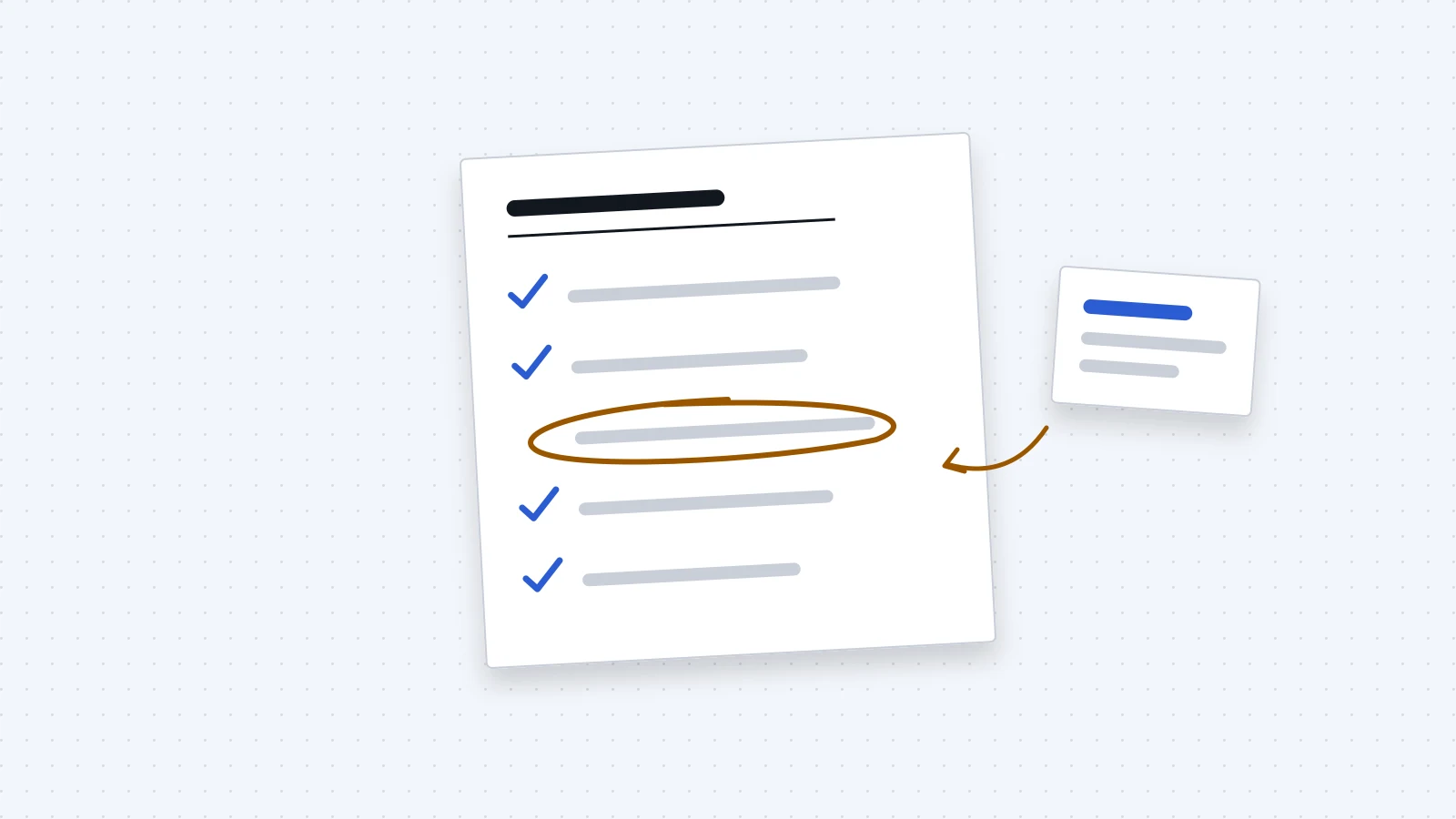
Pick the job that annoys you most this week. Write down how it runs, step by step. Circle the steps that need judgement.
That page is the brief for an agent. If you'd like help reading it, start with an audit. Or see how we find the right job in the admin audit.
Want this working in your business? Start with an audit.