InsightsScheduling and rostering
Who sees which client? Inside an AI scheduling agent for a mobile team
How an AI scheduling agent decides which practitioner sees which client, plans leave and handovers, and answers by voice from the car.
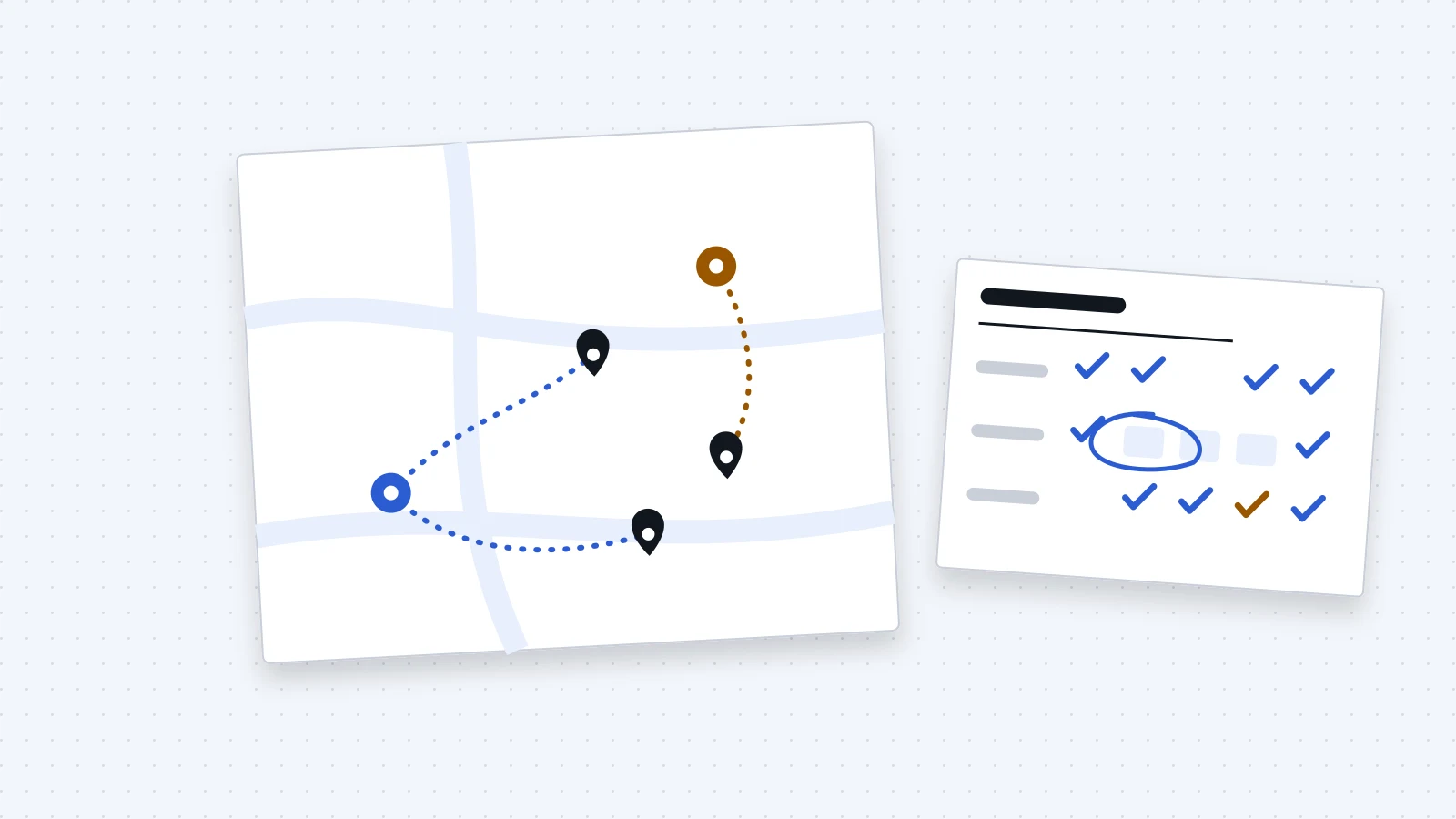
A new referral comes in. Before anyone can book it, someone has to work out who should take it.
Who's close enough? Who has the right skills? Who works that day? Who has room? Who's on leave next month?
In most mobile businesses, the answers live in one person's head. That works until it doesn't.
We built an agent that holds those answers for a mobile allied health team in Sydney. Its practitioners travel to clients across five services: physiotherapy, occupational therapy, speech pathology, exercise physiology and dietetics. Here's how it works, and the rules it never breaks.
Before: a map, a spreadsheet and someone's memory
Every new referral meant matching a client to a practitioner by hand. Every holiday, new starter and departure meant reworking the plan.
Clashes slipped through. Two practitioners away in the same week was easy to miss until a visit fell through.
Why rostering software can't do this
Rostering software is good at recording a plan. It'll show you a physio has a free slot on Thursday.
It won't tell you she's the closest physio with room for a client in that suburb. Or that one more client tips her over capacity.
Making the plan is a different job. It means weighing things that pull against each other: distance, skills, working days, capacity, continuity of care and leave. All at once, every time.
How it works
The agent works from one team list. For each practitioner it knows:
- where they're based and how far they'll travel
- which days they work
- how many clients they can take
- their start or end date
Every time it runs, it checks that list against the business's capacity document and flags any mismatch. It never plans on numbers that don't agree.
A referral comes in. The owner asks one question. The agent suggests the closest practitioner with room, for that service, on the right days. The owner makes the call.
The five rules it never breaks
- Locked decisions stay put. If the owner has fixed a placement, the agent plans around it.
- Clients keep their practitioner, unless something like leave or a departure forces a change.
- The closest person with room gets the client.
- Clients seen more than once a week are shared between two practitioners, so a holiday never leaves them without care.
- It never cuts a client's visits on its own. If capacity is short, it says so. It doesn't quietly trim someone's care to make the numbers work.
Rules like these are the hardest part of building an agent.
They usually live in an owner's head, and nowhere else.
Once they're written down, the agent follows them every time. Nobody manages that from memory in a busy week.
Leave, starters and departures
This is where hand-made plans break.
- Leave. Cover is planned for the dates someone's away, and only those dates.
- New starters. They fill up with clients in a set order from their start date.
- Departures. Clients are moved, and each one gets a handover checklist.
And the clash that used to slip through? When two people are away at once, the clients who'd be left uncovered are flagged first.
Questions from the car
Mobile teams are often run from the road. So the agent works on a phone, laptop or desktop, and by voice.
In the car, it answers in two or three spoken sentences and ends with one yes or no question. It repeats names back, so a misheard one gets fixed before anything changes.
Why it never sends a message
Client details here are private health information. So the agent never emails, texts or shares anything. It works out who should see whom. The team does the booking and the talking.
That line is deliberate. An agent that can message clients can message the wrong one. An agent that only proposes can't. (More on this in Can you put client details into ChatGPT?)
What changed
- Placing a new client takes one question, not a map and a spreadsheet.
- Clashes are flagged before a visit is missed.
- Nobody is overloaded without the owner knowing.
- Leave, new starters and departures are planned, with a handover checklist for each client.
- The owner can run it hands-free from the car.
It's built with Claude and works with the files the business already keeps in Google Drive and Excel. Read the full case study.
Not in health? Same problem.
Home care. Cleaning. Trades. Tutoring. Any business that sends people to clients has this problem.
The units change. A cleaner's capacity is hours. A tutor's is students. The questions don't change. Who's close? Who's qualified? Who's working? Who has room? Who should this client keep seeing?
Where to start
Write down how you decide who sees whom, as if you were handing it to a new manager. Include the rules you never say out loud. Which clients must keep their practitioner. Who shouldn't get more work. What happens when two people are away.
That's the start of a scheduling agent. It's also the part only you can write.
If your roster lives in someone's head, start with an audit. We'll walk through how your scheduling runs and give you a short, written list of what's worth handing to an agent first. For the full method, read the admin audit.
Want this working in your business? Start with an audit.